


Notizie
Nuovi GONOW Muoviti Liberamente Vivi Pienamente
Nuovi GONOW Muoviti Liberamente Vivi Pienamente
Two people can buy the same camper van and use it in completely different ways. One treats it as a mobile office that happens to have a bed. Another uses it for family weekends, with children, bikes, and a lot of gear. A third puts it into a rental fleet where it will be driven by a different customer every week. A standard configuration can serve many of these people reasonably well, but it cannot serve all of them equally well. That gap is where custom design comes in. Done properly, customization is not about adding features. It is about shaping a vehicle around the way its users actually live.
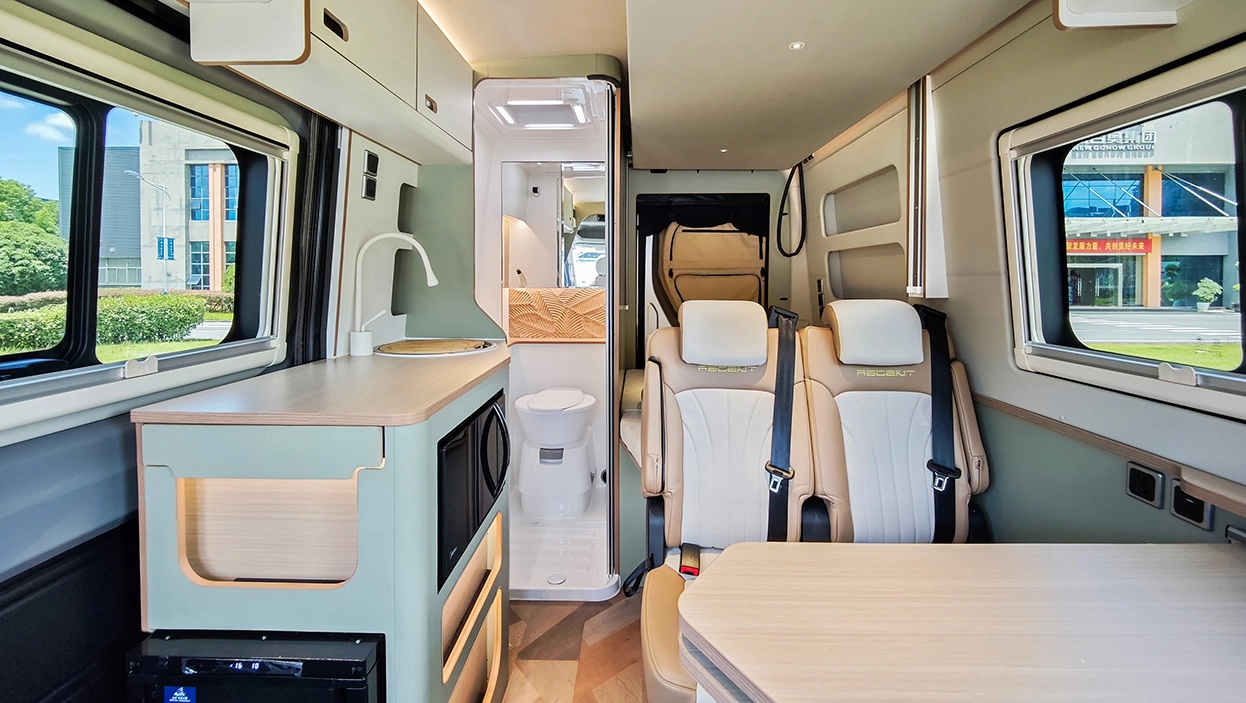
The most useful custom designs begin with questions, not specifications. Who will use the vehicle, and how many of them are there? A solo traveler, a couple, and a family of four place very different demands on the same footprint. How will it be used? A van meant for weekend escapes has different priorities from one built for long stretches on the road, or one that doubles as a workspace during the day.
Where it will be used matters just as much. A vehicle that spends most of its time in cold mountain regions needs different thinking from one designed for warm coastal travel or for city-based trips with frequent short stops. These answers shape every decision that follows, from the layout to the choice of systems. Skipping this stage is how vehicles end up with features nobody asked for and without the ones people actually need.
In a compact vehicle, every square foot is a decision. Space given to one function is space taken from another, so layout is where lifestyle shows up most clearly. A traveler who cooks often may want a larger kitchen and generous food storage. Someone who works remotely may prioritize a dedicated desk area that can be set up quickly and put away just as fast. A family may need flexible sleeping arrangements that adapt from night to night.
Beyond the basics, there are more specific needs that standard layouts rarely address. Outdoor enthusiasts often need secure storage for bikes, boards, or other bulky equipment. Travelers with children or pets may want areas designed with them in mind. The same vehicle body can feel entirely different depending on how its interior is arranged, which is why layout is often the most valuable area to customize.
Once the layout is settled, the next question is which systems the vehicle needs to support the way it will be used. Electrical capacity is a good example. A traveler who spends short periods away from power hookups has very different needs from someone planning extended stays in remote places, and sizing the system to the real pattern of use avoids both shortages and unnecessary expense.
The same logic applies to climate. Insulation, heating, and ventilation should reflect the conditions the vehicle will actually face. Other features, such as a bathroom or additional appliances, should be judged on how often they will really be used. Good custom design is as much about leaving things out as adding them. Features that do not match the intended use add cost, weight, and complexity without adding value, and removing them can make a vehicle both more affordable and more practical.
For businesses, customization offers something standard models often cannot: the ability to build a product range around a specific market. A dealer serving families, a rental operator focused on first-time renters, and a tour company running guided trips each have different customers and different priorities. A vehicle tuned to those needs is easier to sell, easier to rent, and more likely to leave customers satisfied.
It also creates room for differentiation. When every competitor offers the same standard configuration, price becomes the main point of comparison. A vehicle designed around a particular customer group gives dealers and operators something distinctive to offer. The key is to approach customization with a clear picture of the customer, rather than treating it as a list of options to choose from.
The strongest custom camper vans are not the ones with the longest list of features. They are the ones whose design decisions can each be traced back to a real need: who the user is, how they travel, and what they value most. That clarity makes the process more efficient and the result more convincing to the people who finally use the vehicle.


