


Notizie
Nuovi GONOW Muoviti Liberamente Vivi Pienamente
The camper van market is offering more powertrain options than ever. Gasoline, hybrid, and electric alternatives are all part of the conversation, and the pace of change is real. Yet in many markets, diesel camper vans continue to hold a loyal following among private buyers, rental operators, and dealers. That loyalty is not simply habit. It reflects how a camper van is actually used: heavily loaded, driven over long distances, and expected to keep working far from the nearest workshop. Understanding why diesel remains trusted, and where it may not be the right fit, helps buyers and businesses make a more informed choice.
A camper van is rarely a light vehicle. Once it is filled with water, supplies, gear, and passengers, it carries a considerable load, and that load has to be moved up hills, into headwinds, and across long stretches of road. Diesel engines are widely valued in this role because of how they deliver power. Strong torque at lower engine speeds makes it easier to pull a fully loaded vehicle away from a stop and to maintain steady progress on inclines, without the engine working at the top of its range.
Fuel economy matters just as much on long journeys. Diesel engines are generally efficient when driven over distance, which is a meaningful advantage for travelers covering large areas. This is particularly relevant in regions such as North America and Australia, where destinations can be far apart and touring routes can stretch across several days of driving. Fuel availability reinforces the case: diesel is widely sold along major touring routes in both markets, which makes planning long trips more straightforward. For remote and outback-style travel in particular, the combination of range and strong low-speed pulling power is a large part of why diesel is often the default expectation.
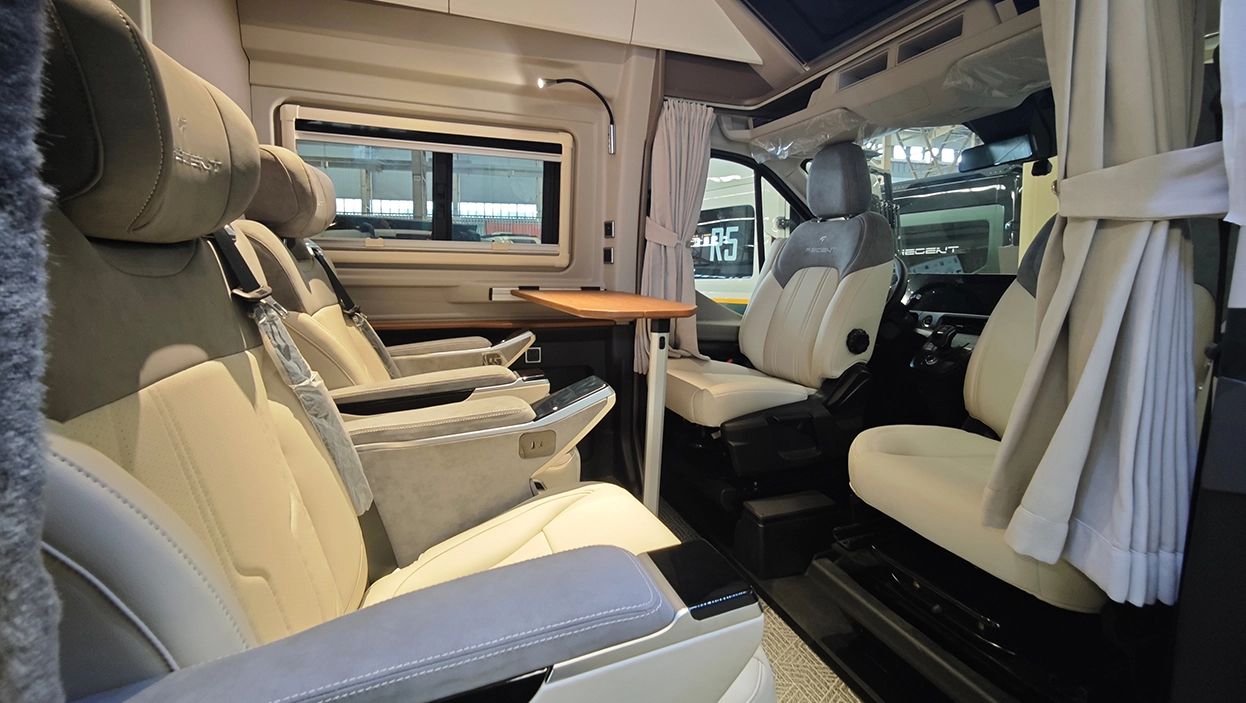
Another source of trust is track record. Diesel powertrains have a long history in commercial and heavy-duty vehicles, where reliability under sustained, demanding use is the baseline requirement. That heritage carries over to camper vans built on commercial van platforms. Many service providers and technicians are already familiar with these systems, which helps when maintenance or repairs are needed.
For rental operators and fleet managers, this familiarity has practical value. Rental vehicles often accumulate high mileage in a short time, and downtime directly affects revenue. A powertrain with a proven reputation for durability, supported by an established service network, reduces uncertainty. Dealers also benefit, since buyers who already trust diesel tend to be more comfortable committing to a vehicle that uses it, and the used market in many regions continues to show healthy interest in diesel camper vans. As always, resale outcomes depend on condition, mileage, and local demand, but the underlying perception of reliability supports confidence at every stage of ownership.
Diesel is not the answer for every buyer, and an honest evaluation should acknowledge that. Emission standards and urban access rules differ from one region to another and continue to evolve. Some cities and areas place restrictions on certain vehicles, so buyers and operators should confirm the requirements that apply in their target market before committing to a specification.
Cost is another consideration. Diesel versions can carry a higher purchase price and, in some cases, higher maintenance costs than their gasoline counterparts. The advantages of diesel also tend to show most clearly over longer distances and heavier use. For travelers who mostly make short trips or spend most of their time in urban environments, those advantages may be less noticeable, and a different powertrain may offer better value. Finally, as electrification continues to develop, long-term policy and market direction remain uncertain in some regions, which is a reasonable factor for businesses planning fleets over several years.
Choosing a powertrain is ultimately a matching exercise. The right answer depends on how far the vehicle will travel, how heavily it will be loaded, what regulations apply where it will be used, and what customers in a particular market expect. A rental fleet serving long-distance touring routes may have very different priorities from a private owner who uses a van for weekend trips close to home.
At New GoNow, we recognize that no single powertrain suits every market. Some of our models are available in diesel versions, and we work with dealers, rental operators, and business partners to discuss which configurations fit their customers and regions, particularly in markets such as North America and Australia. If you are weighing powertrain options for your next vehicle range, we would welcome the conversation.


